Latest
Linguistic Kufriyat (Blasphemy) in Farsi in the Hanafi School (Part 2)
This is part two of a series of posts on the topic of language, speech, words and utterances, and their relation to…
Fiqh: legal questions, their sources and the reasoning behind the rulings.
100 articles
This is part two of a series of posts on the topic of language, speech, words and utterances, and their relation to…
What follows is a series of posts on a topic pertaining to language, speech, words and utterences, and their relation to blasphemy…
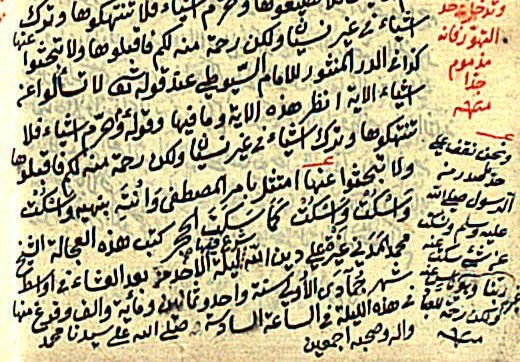
This article is from almost ten years ago, written by Dr. Hassan Ansari. Among the manuscripts I have examined in one of…
Utilizing the Capacity of Fiqh in New Circumstances and the Necessity of Transferring the Experience of Innovative Ijtihad to the Intellectual Generation…
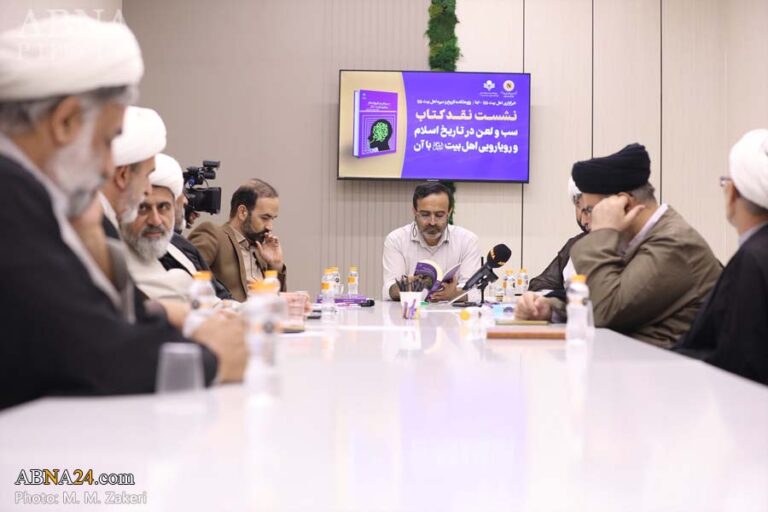
The Ahl al-Bayt News Agency (ABNA) recently organized an academic discussion, critiquing the book "Cursing and Condemnation in the History of Islam…
In the late 12th century AH, one of the Ottoman scholars issued a fatwa declaring smoking forbidden, going even further by saying…
When we browse the introductory sections of books on Milal wa Nihal (the study of religions and sects) and their tables of…
It is best to perform each prayer at its appointed time. The reason for this ruling is the numerous traditions that instruct…
Is animal sacrifice an ethical act? The issue of sacrificing and being sacrificed in the way of God The below is a…
This was a single lecture delivered by Ustad Soroush Mahallati at Muassaseh Miftah-e Keramat on Wednesday, December 6th, 2023. The topic of…
The prerogative to rationalize Imam Ḥusayn’s movement primarily emerged from theological-polemical exigencies and thereby entered the domain of fiqh only secondarily. We…
In the previous article, we made some prefunctory remarks regarding the challenges of extracting jurisprudential discussions from the tragedy of Karbalā. We…
Despite the relatively short span of time in which its events transpired, the fateful tragedy of Karbalā is arguably one of the…